
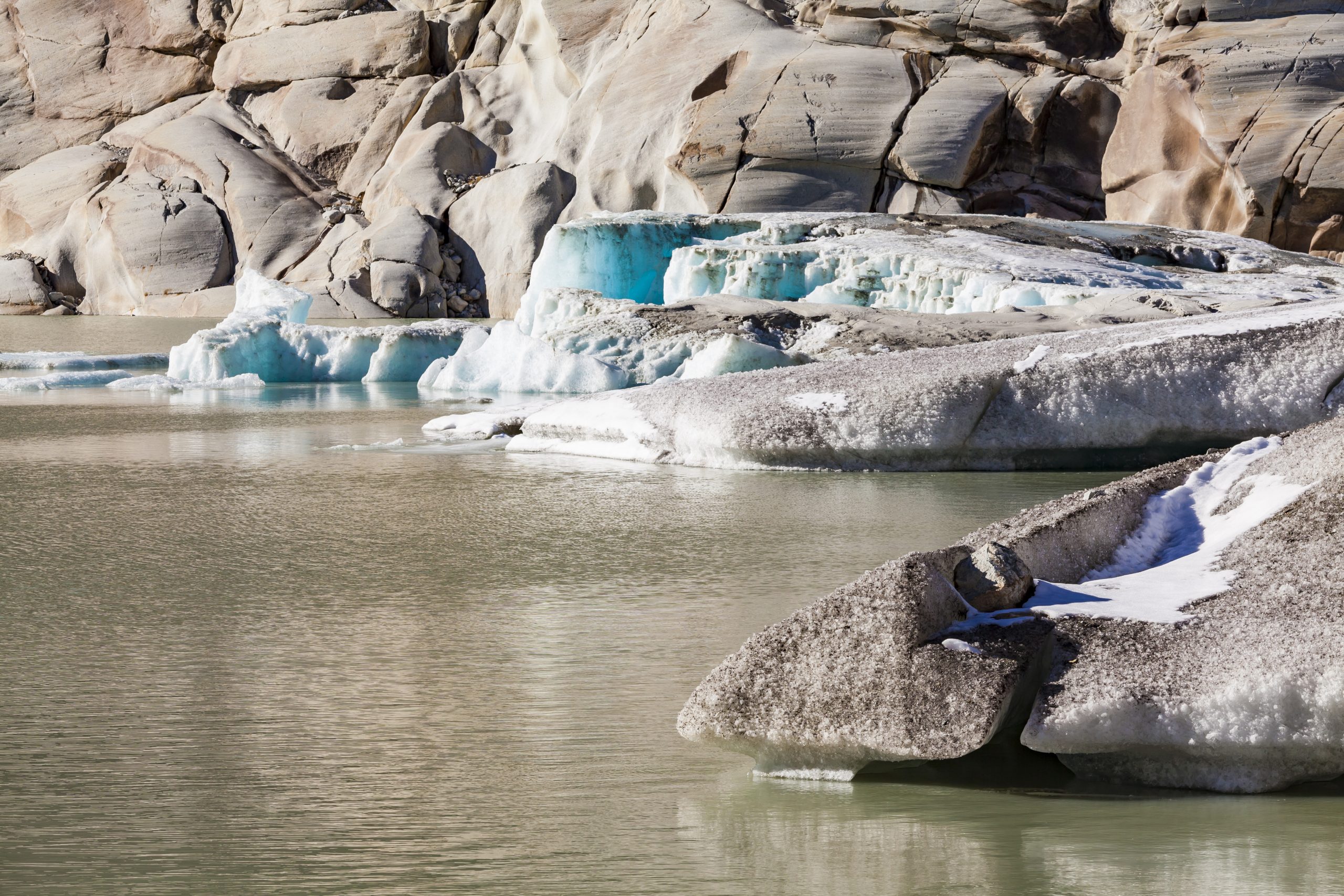
Swiss glaciers lost near-record ice in 2026 due to high summer heatwaves on Alpine summits, new data suggests.
In the past year, over 5% of the country’s glacier ice has melted, which geologists call “extraordinary”.
They warn that rapid melting is no longer surprising given climate change, but it might affect farming, hydroelectric, and transit water sources in the decades ahead.
Visir our Glacier Status page
Loss of glacier ice can destabilize mountain slopes and increase the risk of landslides, which can cause flash flooding like in Nepal in August.
That catastrophe, caused by a major bedrock and glacier ice collapse, involved many variables.
Long-term glacier thinning and frozen ground thawing may have increased hazards, scientists believe.
This recent analysis shows that Swiss glaciers are melting faster than projected in our changing climate, driven by fossil fuel emissions.
Alps glaciologists deemed 2% annual ice loss “extreme” until recently. This year, an estimated 5.5% disappeared.Dr. Matthias Huss, director of Glacier Monitoring Switzerland, which authored the report, called it terrible.
A mild winter left Swiss glaciers with less snow than normal, making summer tough.
The early and heavy heatwaves of May and June swiftly melted the snow, revealing the glacier ice below.
Ice absorbs more solar energy than snow because it’s darker and less reflecting.
Leaving glaciers vulnerable to quicker melting during following heatwaves.”Ten years ago, I never imagined such rapid glacier loss,” stated Dr. Fabien Maussion, a glaciologist at Bristol University, who was not involved in the Swiss investigation.While distressing, the events of the summer were predictable from a climate scientist’s standpoint, he noted.
Five photos of Rhône Glacier per year from 2022 to 2026. Steep valley walls flank the glacier, which flows from top to bottom. This period has seen the glacier recede and thin. Ice was replaced by a lake.
In hot, dry weather, glacier meltwater can supply irrigation, hydropower, and shipping traffic.
Researchers believe Swiss glaciers released 2.2 trillion liters of meltwater between July and September.
Visit our Drought Monitor page
That eased summer water shortages, but it quickly depleted the frozen supply.
Long-term issues may arise from ice loss, as smaller glaciers cannot replenish water levels as much, according to Huss.”Every drop of water that runs off during heatwaves is old water from glacier ice centuries or decades ago,” stated Huss.We’re using it now, but it’s unsustainable, so we won’t have it in the next heatwave.”
This summer, historic Rhine lows hampered shipping routes and raised transit costs.
The highest elevation measurement sites, when temperatures are lowest and glaciers are snow-covered, yielded the most alarming results.
Scientists detected no snow at 3,500 meters above sea level at the end of summer.Huss from Glacier Monitoring Switzerland said some glaciers have lost four meters of ice at the top, when winter snow should cover them.
Snow is glacier nourishment and can condense into ice under steady conditions.
However, no snow can restore the ice lost to melting at lower, warmer elevations in summer. A glacier will hunger, shrink, and eventually vanish.Glaciers are complex due to their top mass gain and downstream movement, including complex physics, according to Maussion.However, we’re seeing an ice cube melt in front of our eyes after taking it out of the fridge.”
Scientists fear many Alpine glaciers cannot survive the warming environment.
Some have vanished, like eastern Switzerland’s Plattalva.
However, researchers say sharp carbon emission cuts can rescue most glacier ice.
This applies especially to the Himalayas and polar areas, where most of the planet’s ice is located.”We can still significantly impact climate protection,” stated Huss.Preserving or stabilizing these ice blocks can prevent global sea level rise, affecting billions of coastal residents.
Leave a Reply